An illustrated short, written from this case study. Management trainee rotations. Recommendations presented, not implementation results. Illustrations, narration and music were made with AI tools; every fact comes from the case study below.
Read the transcript
Three departments. Three different languages. The same answer every time.
Seven months as a management trainee at a gigawatt-scale solar module manufacturer. Manufacturing, Sales, Supply Chain. New in each, roughly every eight weeks.
In Manufacturing, the brief was to get transmission and UPS losses under two percent. Before fixing anything, I mapped where the loss actually lived.
Not in the machines. Around them. Part-loaded transformers, an unbalanced UPS bank, harmonic distortion, a hot room, and no real-time monitoring.
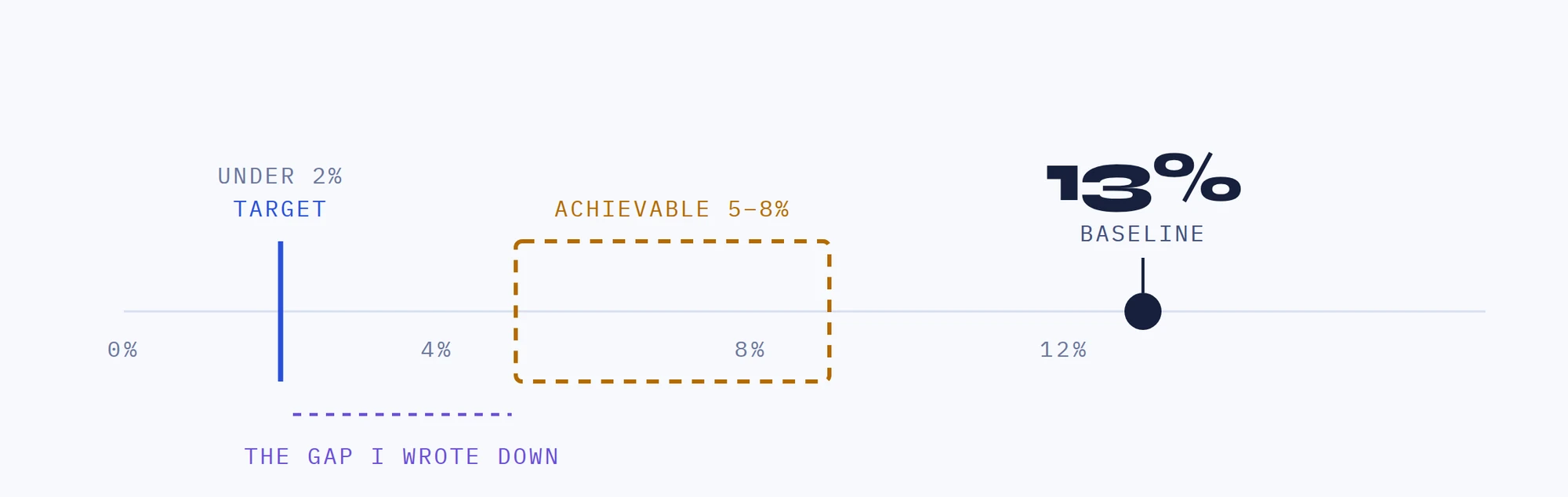
The brief asked for under two percent. My recommendation said five to eight was realistically achievable. A recommendation that repeats the target isn't useful.
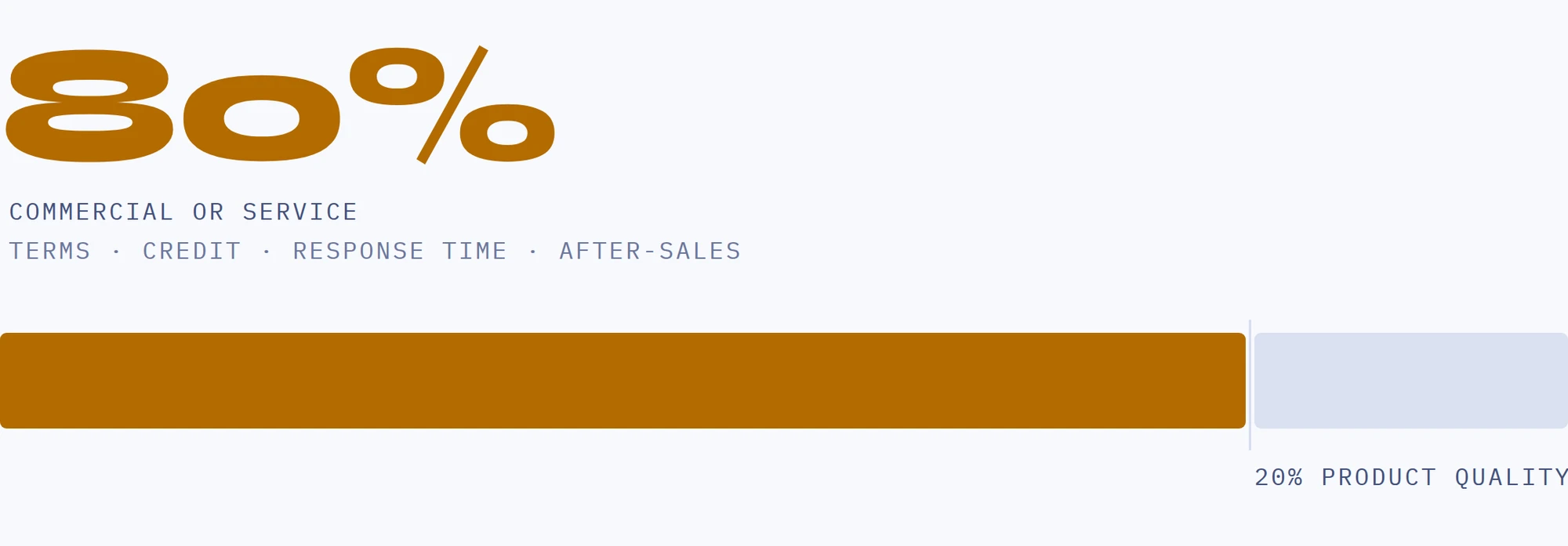
In Sales: why weren't dealers converting? Eighty percent of the blockers were commercial or service. Terms, credit, response time, after-sales. Only twenty were the module.
In Supply Chain, I compared the procurement SOP with how people actually worked. The document had drifted. An SOP nobody follows isn't a process.
By the third rotation, I saw it. The technical thing was working. The system around it wasn't.
I wasn't there for implementation, so no invented results. Just a habit I keep: question the brief, find the friction, then fix the system around it.
The brief
Rotate through three functions. Take on a live project in each. Present the recommendation at the end.
Simple enough. In Manufacturing, the brief was to reduce conversion losses and get transmission and UPS losses under 2% of total energy consumption.
In Sales, the question was simpler on paper: why weren’t dealers converting?
And in Supply Chain, the job was to rewrite the procurement SOP.
Three departments. Three completely different languages. I was new in each of them roughly every eight weeks.
What was happening
At the beginning, I treated them as three separate problems.
Energy efficiency. Dealer conversion. Procurement process.
I expected to learn three separate things. By the third rotation, I wasn’t so sure.
What wasn’t working
The technical thing was usually working. The system around it wasn’t.
In manufacturing, the losses were sitting in the infrastructure around the machines — part-loaded transformers, an unbalanced UPS bank, harmonic distortion, heat, and limited real-time monitoring.
In sales, dealer objections were mostly about commercial and service issues, not the module itself.
And in procurement, the process was running, but the document describing the process had drifted away from how people actually worked.
The “Hmm…”
Don’t just fix the thing. Fix what surrounds it.
The pattern was hiding in plain sight.
Three briefs. One layer out.
Manufacturing
The brief
Reduce conversion losses and get transmission and UPS losses under 2% of total energy consumption.
One layer out
Three part-loaded transformers. An unbalanced UPS bank. Harmonic distortion. A hot room. No real-time energy monitoring.
My recommendation said 5–8% was realistically achievable.
Sales
The brief
Why weren’t dealers converting?
One layer out
80% of dealer blockers were commercial or service-related. Only 20% were about the module itself.
Terms. Credit. Response time. After-sales.
Supply chain
The brief
Rewrite the procurement SOP.
One layer out
The process was running, but the document describing the process had drifted away from how people actually worked.
The brief was to get transmission and UPS losses below 2%. Instead of jumping straight to a solution, I mapped where the loss was actually happening.
Three part-loaded transformers. An unbalanced UPS bank. Harmonic distortion. A hot room. No real-time energy monitoring.
The recommendation became a phased intervention:
Replace three part-loaded transformers with a single 5 MVA amorphous transformer
Regroup the UPS bank and introduce eco mode
Install active harmonic filters
Add an energy monitoring system
Improve cooling for transformer and UPS rooms
Introduce lithium batteries
Sequence the changes across four phases, starting with an audit
And then came the important part.
<2%The brief asked for under 2%.
5–8%My recommendation said 5–8% was realistically achievable.
Asked vs achievable
0%2%5–8%10%
5–8%
Transmission and UPS losses as a share of total energy consumption. Recommended range, not an implementation result.
Because a recommendation isn’t useful if it simply repeats the number you were asked to deliver.
Sometimes the most useful thing you can tell a business is what the equipment can actually do.
The move
02 · Sales
The product wasn’t the objection.
I looked at the objections dealers were actually raising rather than the ones we assumed they would raise. Then benchmarked them against the competition.
80%20%
TermsCreditResponse timeAfter-sales
The module
Commercial or service-related Terms. Credit. Response time. After-sales.The module itself
Four kinds of friction within the 80%. Label widths do not represent individual shares.
So the question changed.
This wasn’t primarily a product problem. It was a commercial and service-design problem being reported as a sales problem.
The move
03 · Supply chain
An SOP nobody follows isn’t a process.
Co-presented with a fellow trainee.
I compared the existing procurement SOP against how procurement was actually being run. Then mapped the old and proposed processes side by side.
The redraft made approval authority explicit rather than assumed and identified the things the document itself couldn’t solve:
Forecasting.
Stockout alerts.
Vendor portal.
SLA tracking.
Because rewriting a document doesn’t automatically fix the process underneath it.
The making
Three departments. Three different vocabularies. The same underlying problem.
The brief asked for under 2%. My recommendation said 5–8% was realistically achievable.80% of dealer blockers were commercial or service-related. Only 20% were about the module itself.
The one that wasn’t a project
Host the company’s monthly open floor.
A rapid-fire session with the Managing Director, in front of the wider organisation.
It doesn’t fit neatly into a CV. But it taught me something I still think about:
The questions people will ask a founder in public are often different from the questions they ask each other.
And the gap between those two sets of questions is often where the internal communication problem lives.
The receipts
Seven months. Three rotations. Three sets of recommendations presented to the functions that owned them.
And no, I wasn’t there for implementation. So I’m not going to manufacture results that don’t exist.
Instead, these are the measures I would have tracked:
ManufacturingTransmission and UPS loss as a share of consumption, against the 5–8% realistic range rather than the original <2% target.
CAPEXPayback period because that is ultimately what would determine whether the recommendation gets approved.
SalesDealer conversion, segmented by objection type. If 80% of blockers are commercial, a commercial intervention should move that number.
Supply chainSOP adherence on audit. Because the only honest test of a rewritten process document is whether behaviour changes.
So what?
I keep finding the problem one layer out.
Different industries. Different problems. Same instinct.
Vikram Solar
The modules were good. The objections were commercial.
Vahdam
The tea was good. The margin was leaking through pricing, keyword lists, and a catalogue nobody had properly cut.
Tata Sampann
The besan was good. The bigger problem was that 25 of 40 shoppers had never heard of it.
Don’t automatically fix the thing the brief points at. First, find the thing underneath it.
Seven months wasn’t long enough to become an expert in manufacturing, sales, or supply chain. It was long enough to learn how I like to solve problems.
Look closer. Question the brief. Find the friction. Then fix the system around it.
What I’d do differently
I would have started connecting the three rotations earlier.
The pattern only became obvious by the third stint. If I’d recognised it sooner, I would have spent less time treating each brief as an isolated problem and more time asking: