Yashika, in the making
Case study · Real work The Market Dispatch Tata Sampann Besan · 8 weeks

Consumer research / Shopper marketing / Distribution strategy

I was sent to fix the trucks.

Tata Consumer Products · Sales & Shopper Marketing · Lucknow, Patna, Nagpur · 8 weeks

▶Watch the story · 60sIs that actually the problem?

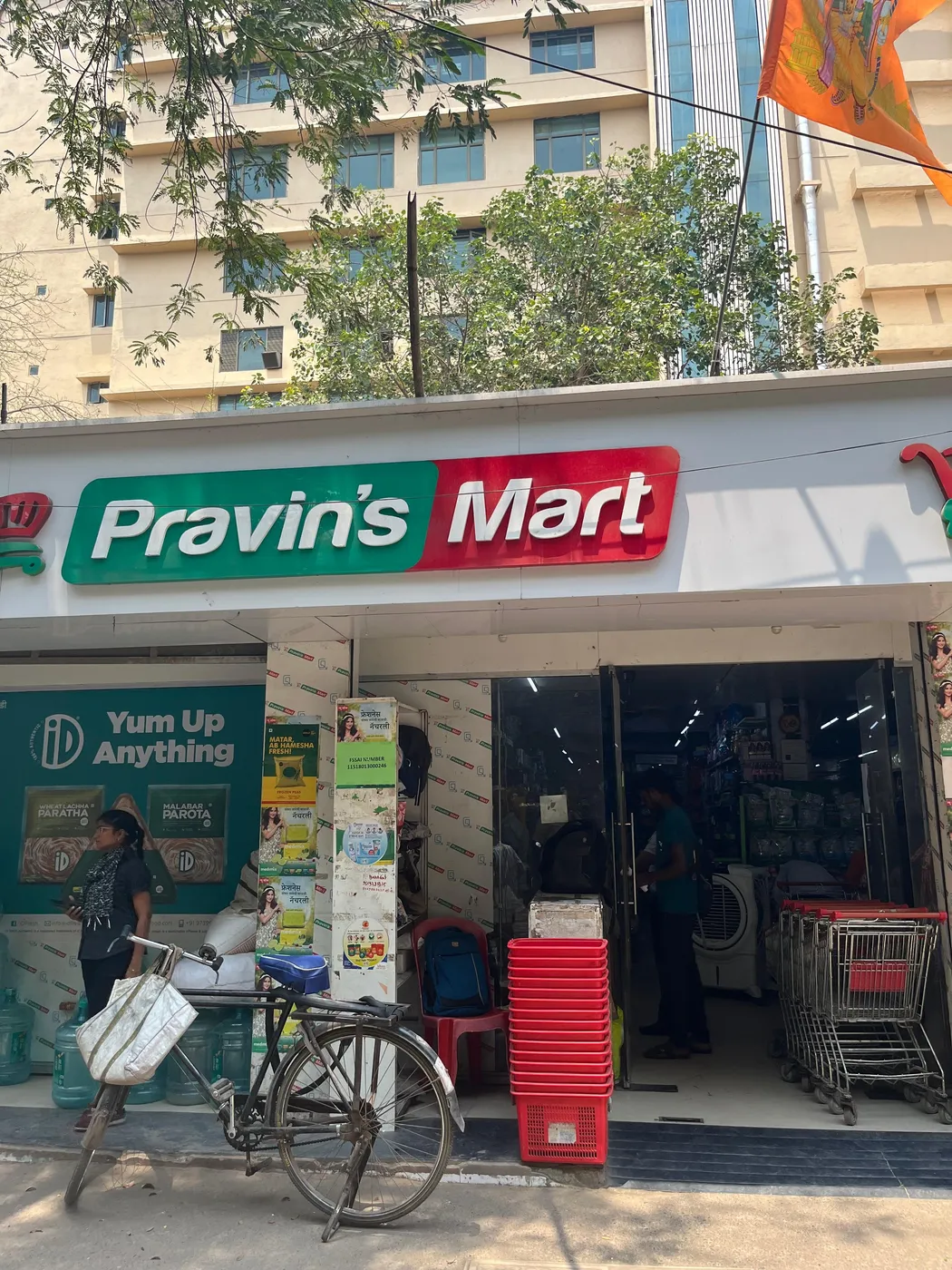
Field photograph: a store visited during the market visits
8 weeksInternship
3 marketsLucknow · Patna · Nagpur
3 weeksWith the sales team
40 shoppersSurveyed across the markets

The story behind the slides

The day the problem got interesting.

An illustrated short, written from this case study. Eight-week internship. Findings and recommendations, not launched results. Illustrations, narration and music were made with AI tools; every fact comes from the case study below.

Read the transcript

I was sent to fix the trucks. Eight weeks. Lucknow, Patna, Nagpur.

The brief: full truckloads, cheaper logistics, a narrower price gap. It already worked in Uttar Pradesh. My job: help take it to Patna and Nagpur.

First, three weeks in three markets with the sales team. Prices above competitors. Frequent stock-outs. Product shelved wherever there was space.

Then I did the arithmetic on the brief. Even with the truckload discount, we'd still sit above the competition. That was the project.

So I changed the question. I stopped asking retailers, and asked shoppers. Forty of them. Twenty-five had never heard of Tata Sampann Besan.

We weren't losing a price war. We were losing a discovery problem. A cheaper truck can't create demand for something nobody has noticed.

So I split my recommendation in two. Track one, fix the pipe: a single digital ordering portal, and real-time stock and dispatch visibility.

Track two, create the demand: dealer boards, sampling, and a two-hundred-gram besan pack attached to Tata Salt. Yes, partly free flour. Distribution is not romantic.

The one I'd still argue for came from wholesalers saying no. They wanted big loose bags. I recommended a thirty-kilo format at seventy-five rupees a kilo.

This was an internship, so there are no launch results. Just a lesson: the brief you're handed isn't always the problem you actually have.
The brief

Build out the Full Truck Load and Self-Lifting network for Tata Sampann Besan across Uttar Pradesh, Bihar and Maharashtra.

The logic was straightforward. If distributors could take full truckloads instead of partial loads, logistics costs would drop. That could eventually help narrow the price gap with competitors.

The model already worked in Uttar Pradesh. My job was to help take it to Patna and Nagpur.

What was happening

Before touching a spreadsheet, I spent three weeks in three markets with the sales team.

I looked at: Order taking. Fulfilment. Store categorisation. Shelf availability. Planograms.

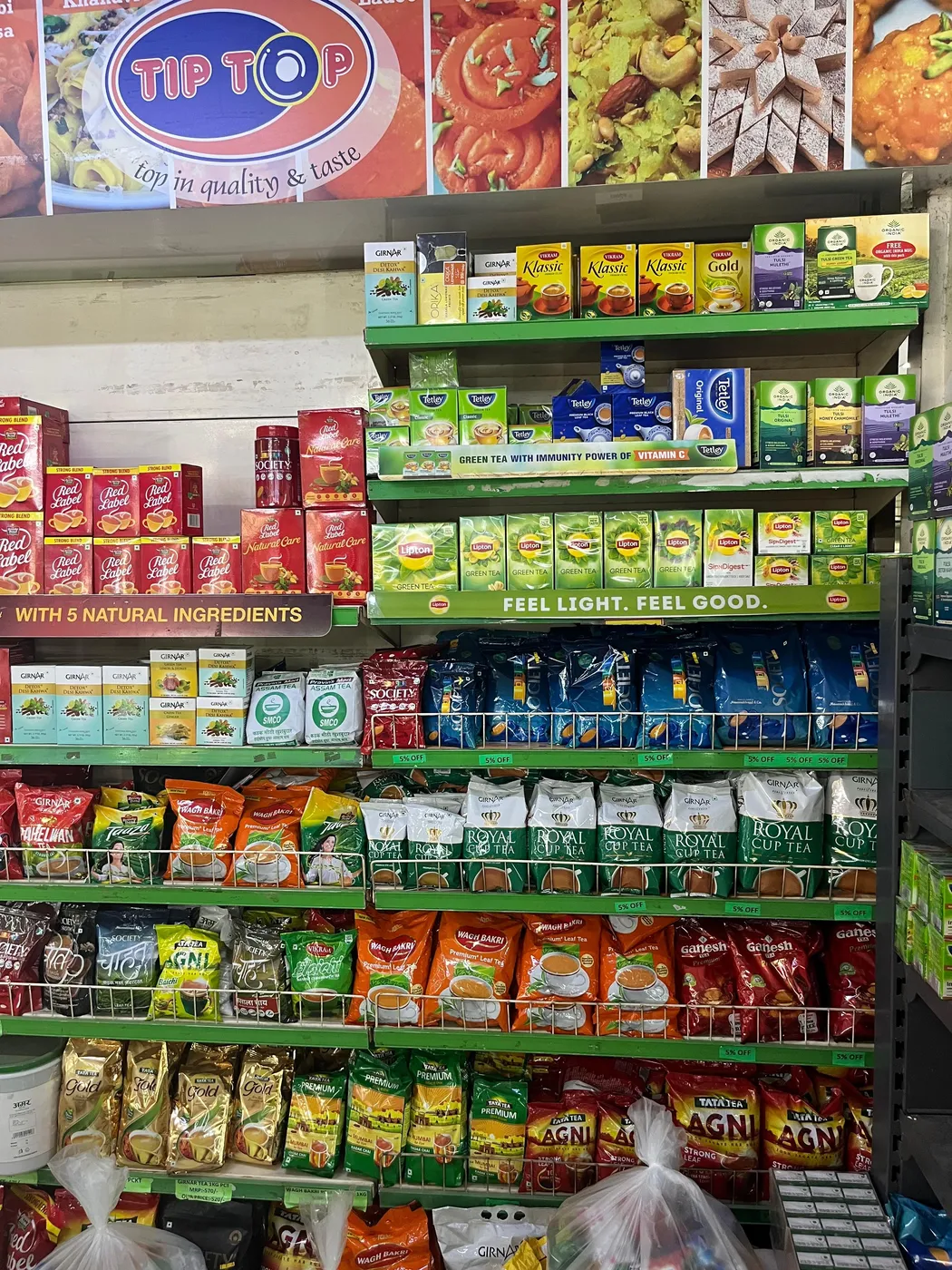
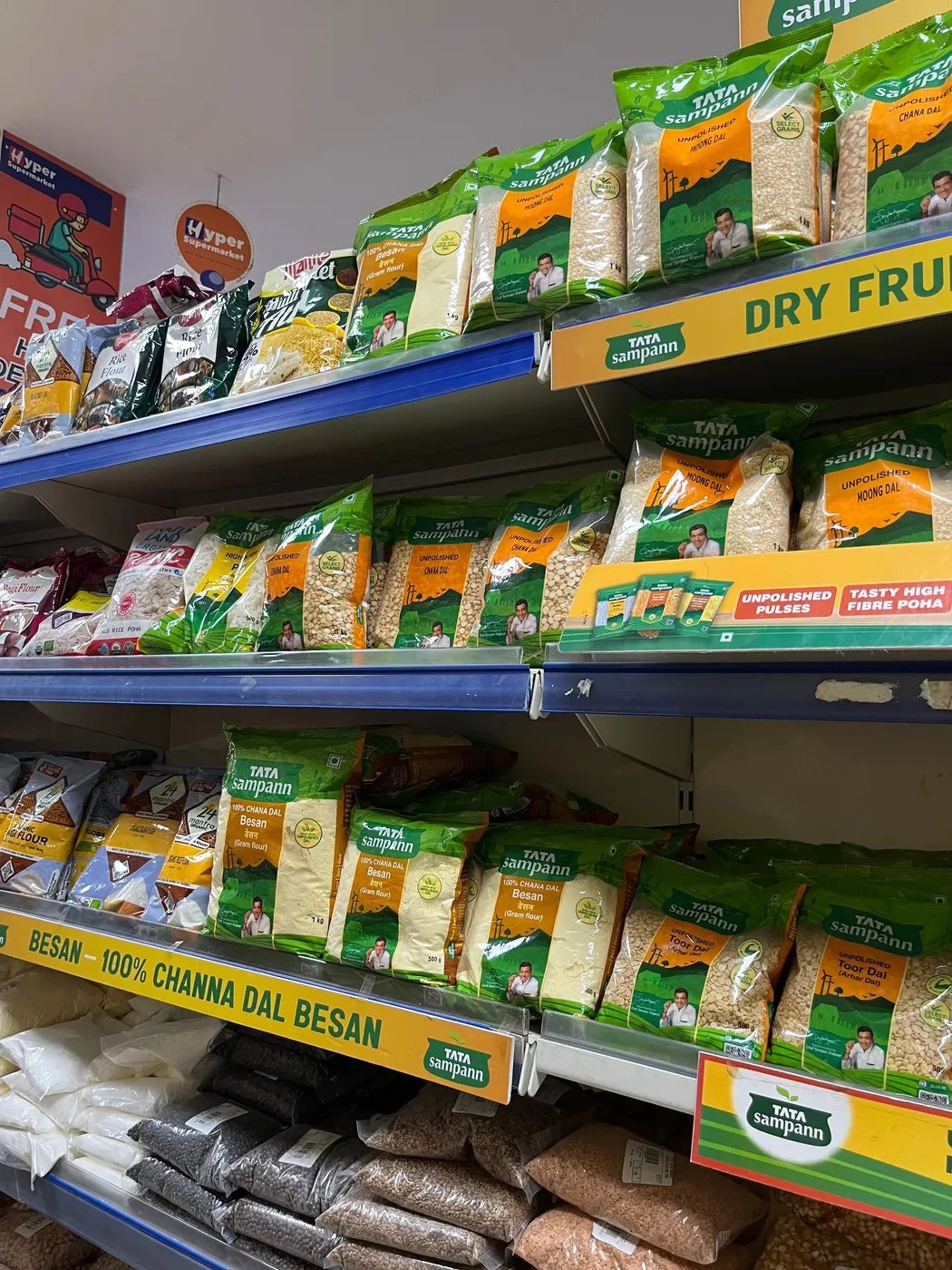
Tata Sampann Besan was priced higher than Fortune, Neelkamal, and Nourish across markets. Prices changed frequently, making distributors less likely to trust them. Stock-outs were common. And without clear planograms, the product often ended up wherever there happened to be space.

The distribution system had problems. But I wasn’t convinced distribution was the whole problem.

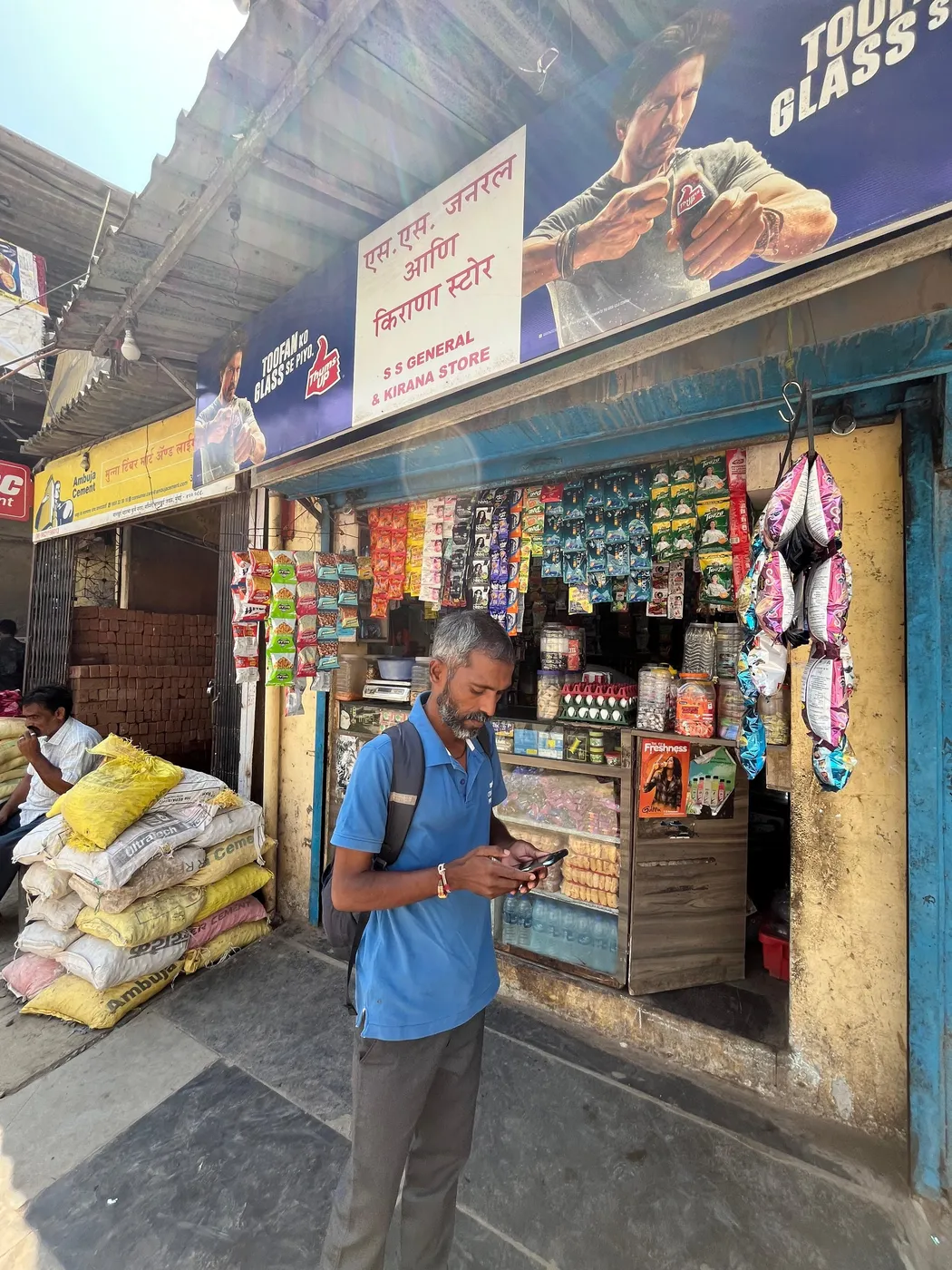
A kirana store photographed during the market visits
Order taking. Fulfilment.
Field photograph of a store visited during the internship
Store categorisation.
Products on display during a market visit
Shelf availability.
Store shelves photographed during the field research
Planograms.
What wasn’t working

Even after applying the FTL discount, the price would still sit above the competition.

I did the arithmetic on the brief itself. Which meant the solution I’d been asked to implement couldn’t, by itself, solve the problem it was designed to solve.

That was uncomfortable. Because that was the project.

The “Hmm…”

So I changed the question.

Instead of asking retailers why they weren’t stocking Tata Sampann Besan, I started asking shoppers whether they would buy it.

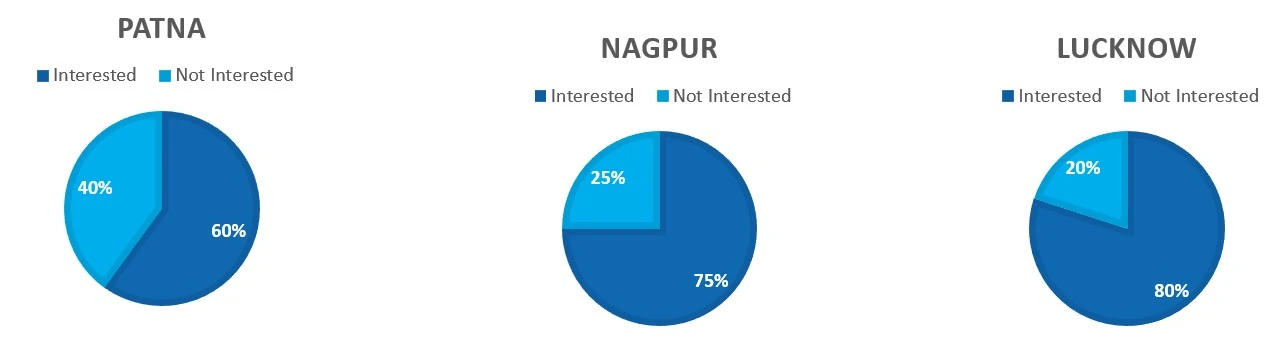
I surveyed 40 shoppers across the markets. 25 had never heard of Tata Sampann Besan.

Ask the shoppers

had never heard of Tata Sampann Besan.

40 shoppers across the markets.
25 had never heard of Tata Sampann Besan.

That changed the problem.

A cheaper truck can move a product people are already looking for. It can’t create demand for a product people haven’t noticed.
Sent to do

Fix the trucks.

Build out the Full Truck Load and Self-Lifting network for Tata Sampann Besan across Uttar Pradesh, Bihar and Maharashtra.

Found

25 had never heard of Tata Sampann Besan.

The distribution system had problems. But I wasn’t convinced distribution was the whole problem.

The move

I split the recommendation into two tracks.

01

Fix the pipe

The distribution problem still needed solving. I recommended:

  • A single digital FTL ordering portal integrated with the existing system.
  • Automated vehicle assignment based on order size and location.
  • Real-time stock and dispatch visibility for distributors.
  • FTL availability across all four pack sizes, rather than only the easiest ones to move.

Make the system easier to order from, easier to plan and easier to trust.

02

Create the demand

The shelf was doing almost no communication work. So I recommended a retail branding plan across wholesale and retail:

  • Dealer boards. Counter branding.
  • Guerrilla placements across buses, autos and bus stops. Sampling.
  • Attach a 200g besan pack to Tata Salt, a product already present in the homes of the shoppers we were speaking to.
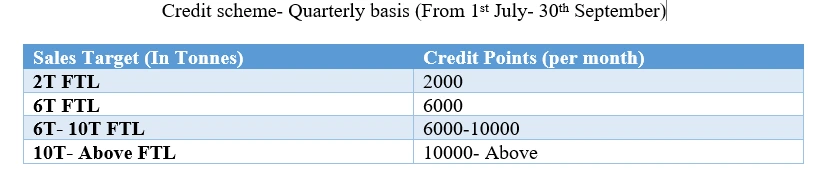
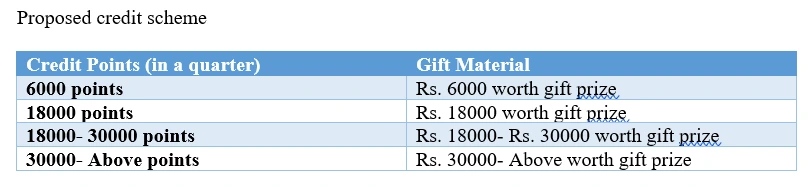
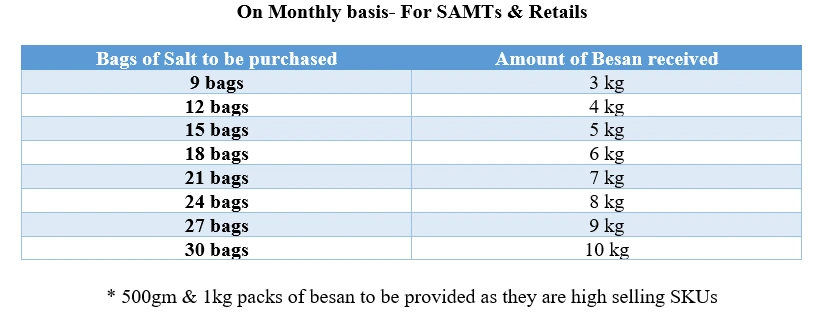
  • A quarterly distributor credit-point structure. And a monthly retail scheme linking besan purchases to Tata Salt.

Yes, the answer to a branding problem was partly free flour. Distribution is not romantic.

The making

What I have are the findings and recommendations I presented.

Awareness survey pie charts for Patna, Nagpur and Lucknow
Consumer research · Lucknow, Patna, Nagpur
Proposed distributor credit scheme table
Recommendation · A quarterly distributor credit-point structure.
Table from the proposed distributor scheme
Recommendation · Distribution strategy
Proposed monthly retail scheme table linking besan purchases to Tata Salt
Recommendation · A monthly retail scheme linking besan purchases to Tata Salt.
The one I’d still argue for

The most interesting finding wasn’t in the brief. It came from the wholesale market.

Wholesalers repeatedly asked for loose besan in 26–30 kg bags. Tata Sampann didn’t have one. Fortune did.

Fortune · At the time ~₹78/kg

Fortune’s bulk format

Per-bag price not recorded.

My recommendation · Proposed ₹75/kg

30 kg · ₹2,250 per bag

My recommendation was a ₹75/kg, 30 kg format, ₹2,250 per bag, with an additional tax advantage associated with the bulk format.

The point wasn’t simply to discount the existing product. It was to introduce a format that changed the economics of the comparison.

The thing that could close the price gap wasn’t necessarily another discount. It was a product format we didn’t sell.

And that recommendation came from standing in a wholesale market and listening to people say no.

The receipts
This was an eight-week internship.

So I won’t pretend I have launch results that I don’t. What I have are the findings and recommendations I presented.

What I would have measured

Awareness

Aided and unaided awareness in Patna and Nagpur, using the 25/40 baseline.

Availability

Shelf availability and planogram compliance across modern-trade outlets.

Distribution

FTL share of besan volume in the two new states, benchmarked against Uttar Pradesh.

Bulk format

Wholesale trial rate for the proposed bulk bag.

Distributor adoption

Participation in the credit scheme as an indicator of whether distributors trusted the new system and pricing.

So, what?

The brief you’re handed isn’t always the problem you actually have.
So, what?

I was given a distribution problem with a distribution solution already attached to it. The correct thing to do was still to ask: Is that actually the problem?

It was half. The logistics were inefficient, and fixing them mattered. But the bigger discovery was that many shoppers in Patna simply didn’t know Tata Sampann Besan existed. No amount of truck routing fixes that.

Label a proposal as a proposal.

Everything on this page beyond the observed findings was a recommendation. It wasn’t a launch I owned. And saying so is the difference between a case study and a claim.

What I’d do differently

I’d take the consumer finding and build a proper awareness → trial → repeat journey around it.

Because once you know people don’t know the product exists, the next question isn’t: “How do we distribute it?”

It’s: “How do we make them notice it, try it, and come back?”